Minneola Announces Debut Album American Rapture
For Minneola, American Rapture isn’t just an album title. It’s a question. What does “rapture” mean in modern America? Is it joy? Is it transcendence? Or is it collapse before renewal?


For Minneola, American Rapture isn’t just an album title. It’s a question. What does “rapture” mean in modern America? Is it joy? Is it transcendence? Or is it collapse before renewal?
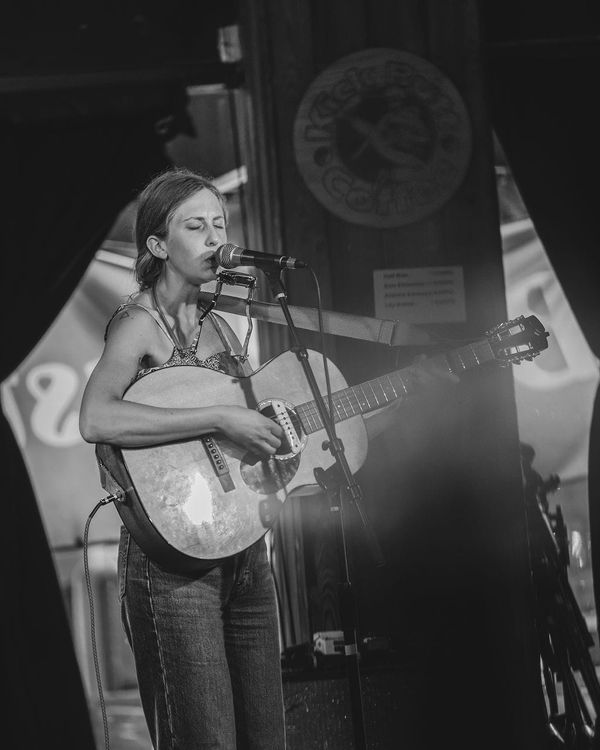
Across twelve songs, Nashville & Austin-based trio Minneola, comprised of Chelsea Blankinship, Ryan West, and Tom Coleman, explores adulthood in a generation navigating economic uncertainty, digital isolation, and the quiet grief of realizing the version of adulthood they were promised may never arrive. The record examines loneliness, friendship, love, ambition, faith, and the search for meaning in a world that often feels increasingly disconnected. The songs capture moments that feel deeply personal while reflecting experiences shared by many young adults today.
In “Give It Time,” the lyric “I hate that it scares me, all my friends are getting married, I’m afraid that I’ll be left behind” speaks to the invisible timelines many people feel pressured to follow.
On “Coffee Spoons,” everyday objects become symbols of modern isolation: “I measure days in coffee spoons and all the clothes that stack up on the dryer. The empty bottles on the shelf silently write the story of my life.”
“Baker Field” looks backward at childhood, mourning the simplicity that’s lost with adulthood: “Traded in my innocence for cheap thrills and some cigarettes on late nights.” While “Day After Day” reflects the exhaustion of working simply to stay afloat: “Day after day I work ‘til the light starts to fade. It’s always the same.
Tomorrow’s a long ways away. And I’m going nowhere. Got bills to pay. I’m on my own here as time keeps on slipping away.”
Yet American Rapture refuses to stay in despair. Songs like “Sideways,” “Echo in the Heavens,” “Pontiac Promises,” and “Roll the Dice” remind listeners that love, humor, and connection remain acts of hope. Even in moments of uncertainty, the album insists that beauty still exists.
That tension reaches one of its clearest expressions in “Sing Me to Sleep”: “No one dreams in a burning house. Sing me to sleep while the lights go out.” The line recognizes a world that often feels overwhelming while still searching for tenderness within it.
The album’s title carries a deliberate double meaning. “Rapture” suggests overwhelming joy while simultaneously invoking the biblical idea of the rapture, a story of judgment, revelation, endings, and rebirth. Biblical imagery appears throughout the record, not as doctrine, but as metaphor. Heaven and hell become emotional states as much as places, symbols for hope, fear, suffering, and transformation.
The album begins by questioning everything the narrator believes: “What if heaven’s not heavenly at all? What if heaven’s what I’ve been running from?”
By the album’s closing moments, that question has evolved into something entirely different: “Heaven, hell and life are all the same.”
Rather than arriving at certainty, American Rapture suggests that paradise and suffering often coexist. Joy and grief, hope and despair, love and loss are not separate destinations, but experiences woven together throughout an ordinary life. The journey of the album is not about escaping the world. It’s about learning how to live within it.
That philosophy echoes throughout the record. In “In the End,” the lyric “Give me hell, I’ll be your angel, I’ll give you heaven” reflects the album’s central belief that choosing compassion and hope is a radical act, even in difficult times.
The title track, “American Rapture,” draws on the imagery of being burned at the stake. While rooted in historical persecution, the song uses that imagery metaphorically to explore the ways women continue to face public judgment, scrutiny, and impossible expectations, particularly in industries that have long been male-dominated. Rather than recounting history literally, the song asks what it means to have your voice questioned, dismissed, or punished simply for refusing to fit into expectations.
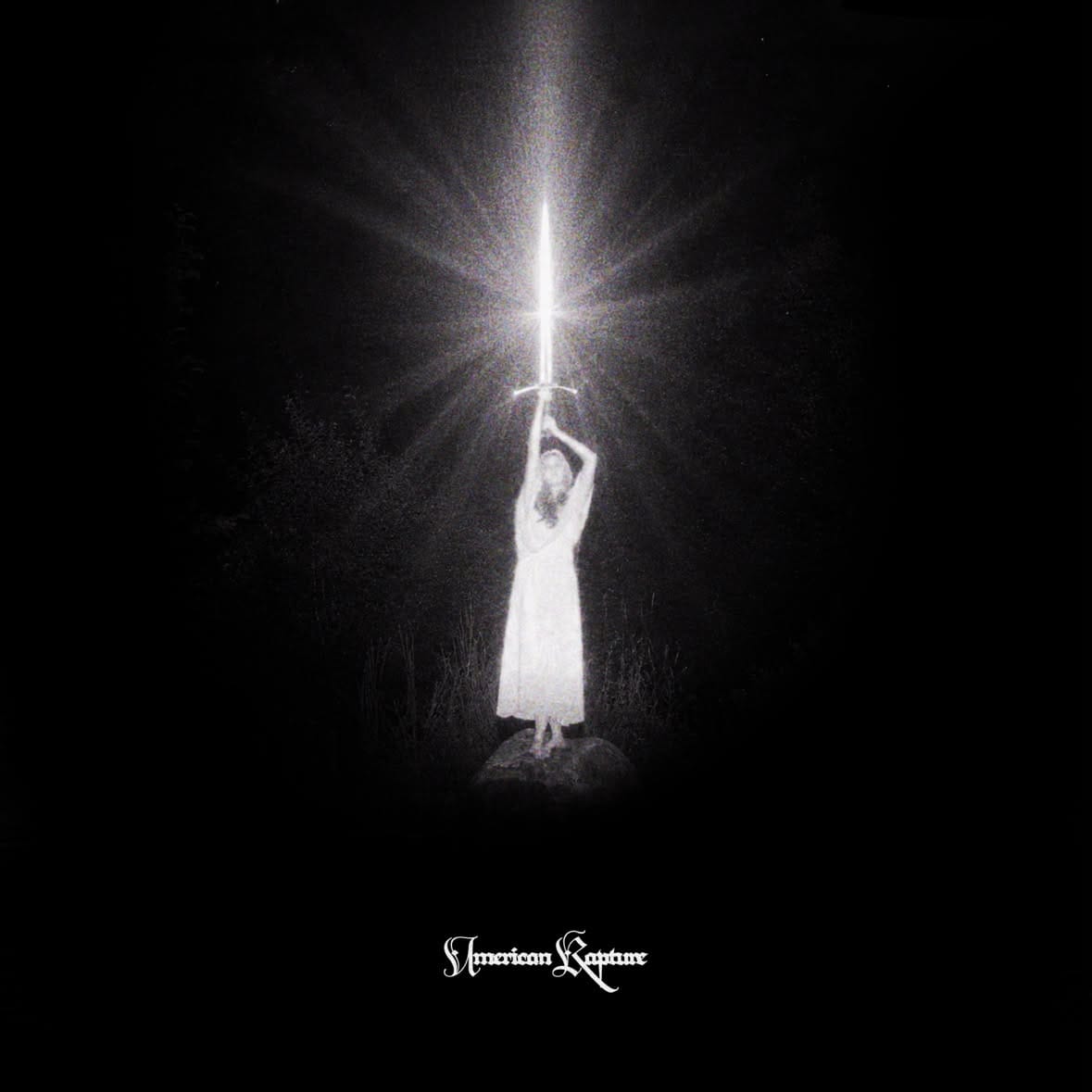
Visually, the album embraces the language of the 1970s. The aesthetic is not intended as a recreation of the decade, but as a reflection of what it has come to symbolize. Analog humanity in an increasingly digital world. Music as community. Slower living. The belief that art could bring people together. Looking backward becomes a way of imagining what still might be possible moving forward.
At its core, American Rapture is about trying to preserve humanity in a world that makes it increasingly difficult to remain human. It is an album about growing up at the end of one story and not yet knowing what the next one is. It recognizes the weight of adulthood without surrendering to cynicism. It acknowledges loneliness while searching for connection. It confronts uncertainty while continuing to believe that hope, kindness, and love are still worth choosing.
From its opening question, “What if heaven’s not heavenly at all?” to its closing realization, “Heaven, hell and life are all the same,” the album traces a search for meaning in a fractured world. It doesn’t promise easy answers. Instead, it suggests that redemption isn’t found somewhere else. It is found in the people we love, the stories we tell, and the decision to remain open-hearted in spite of everything.
American Rapture doesn’t ask listeners to escape reality. It asks them to look at it more honestly and to discover that even in uncertain times, beauty is still worth pursuing. The album was recorded at Polychrome Ranch with additional vocal production by Karl Lungmus, mixed by Andy Shoemaker and Jared Corder, and mastered by Nate Miles.
About Minneola
Minneola is a Nashville & Austin-based psychedelic country folk trio featuring Chelsea Blankinship, Ryan West, and Tom Coleman. Blending cinematic folk, vintage country, and psychedelic rock, the band’s music explores memory, identity, spirituality, and the complexities of modern life through rich storytelling and timeless melodies.
Their debut album, American Rapture, is available September 25.
ADVANCE STREAM: HERE.